The Impact of Live Betting on the Sports Entertainment Experience
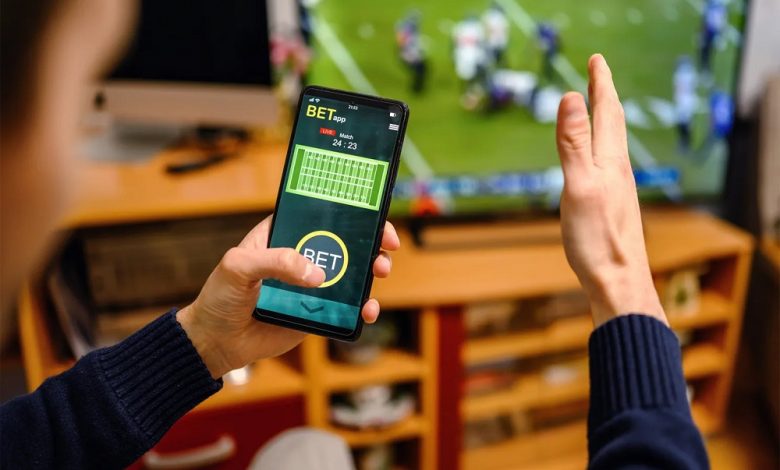
The intersection of sports viewership and sports wagering has undergone a massive transformation over the last decade. Historically, placing a bet on a sporting event was a static, pre-game ritual. A bettor analyzed statistics, placed a wager on a point spread or a money line, and then watched the game unfold, waiting hours for a definitive result.
Today, technological advancements and shifting legal landscapes have introduced live betting—also known as in-game or in-play wagering. This format allows fans to place bets continuously throughout a live sporting event, with odds shifting second by second based on the action on the field. The introduction of real-time wagering has fundamentally altered how fans interact with sports, reshaping broadcasting, fan engagement, stadium design, and the psychological experience of watching a game.
Changing the Dynamics of Fan Engagement
Live betting shifts the spectator from a passive observer to an active participant. When a viewer has a financial stake in individual plays, their emotional investment spikes. A regular season game between two lower-tier teams, which might otherwise struggle to attract an audience, suddenly becomes highly compelling when viewers can wager on the outcome of the next drive, the next pitch, or the next corner kick.
This phenomenon has created several distinct shifts in fan behavior:
-
Micro-Moment Focus: Fans no longer just care about who wins or loses. They care about micro-moments. A single possession in a basketball game or a specific at-bat in a baseball game takes on heightened importance, keeping eyes glued to the screen during segments of play that were previously considered mundane.
-
Extended Viewership Times: Traditional media metrics show that casual viewers often tune out of blowout games. Live betting mitigates this. If a football team is trailing by 30 points in the fourth quarter, live betting markets offer adjusted point spreads or specific player performance wagers for that remaining quarter. This keeps audiences engaged until the final whistle, regardless of the overall score.
-
Multi-Screen Viewing Habits: The modern sports entertainment experience heavily relies on a multi-screen setup. Fans routinely watch the main broadcast on a television while monitoring live odds, analytical data, and cash-out options on a smartphone or tablet.
The Evolution of Sports Broadcasting and Media
The media landscape has adapted rapidly to accommodate the demands of the live bettor. Sports networks and streaming platforms are no longer just delivering a video feed; they are building interactive data ecosystems.
Integrated Betting Overlays and Alternative Broadcasts
Major sports networks now regularly incorporate betting lines directly into their tickers and pre-game shows. More significantly, companies are pioneering alternative broadcasts tailored entirely for bettors. These streams feature commentators who analyze the game strictly through the lens of live odds, point spreads, and prop bets, running concurrent with the traditional play-by-play broadcast.
Data-Driven Graphics
Broadcasters utilize advanced tracking technology to feed real-time data to viewers. Statcast in baseball, Next Gen Stats in football, and player-tracking chips in hockey jerseys provide instantaneous metrics on speed, launch angles, and probability. This data serves a dual purpose: it enriches the narrative for the general fan while providing the essential analytical foundation required for sharp live betting decisions.
Latency Reduction
For live betting to succeed, the video feed must match the bookmaker’s data stream. Historically, digital streaming feeds lagged anywhere from 10 to 45 seconds behind the actual field action. Media companies and tech infrastructure providers have invested heavily in ultra-low latency streaming technology to reduce this gap to under a second, ensuring fans do not see a play on social media or a betting app before it occurs on their video screen.
Transforming Stadium Infrastructure and the On-Site Experience
The impact of live betting is not confined to the living room. Modern stadiums and arenas are being redesigned from the ground up to merge physical attendance with digital wagering.
High-density Wi-Fi networks and 5G integration are now standard requirements for any new stadium build. If thousands of fans inside an arena try to place an in-play wager simultaneously and experience network timeouts, the entertainment loop breaks. Teams and venue operators prioritize cellular infrastructure just as much as sightlines and seating comfort.
Furthermore, physical sportsbooks are becoming anchor tenants inside arenas. Venues across professional baseball, basketball, and football leagues have integrated full-service betting lounges directly into their concourses. Fans can step away from their seats to view massive odds boards, grab a drink, and place wagers, turning the stadium into a hybrid space that resembles a high-end sports bar or casino sportsbook.
The Psychological Shifts in the Spectator Experience
Live betting introduces a unique psychological layer to sports entertainment, fundamentally altering how fans process the highs and lows of competition.
Under traditional betting frameworks, the emotional cycle of a wager was drawn out over hours. Live betting compresses this cycle into seconds. A bettor experiences the rush of adrenaline from placing a wager, the tension of the play, and the immediate hit of dopamine or frustration from the result, only to repeat the exact same process two minutes later. This creates a highly gamified environment that mirrors the fast-paced loop of mobile video games.
Another major psychological shift is the introduction of the hedging and cash-out mechanisms. Most modern betting platforms allow users to settle their bets early for a partial payout before the event ends. This changes the fan’s relationship with the clock. Instead of simply rooting for their team to hold onto a lead, fans are constantly calculating risk, deciding whether to trust their team to finish the game or take a guaranteed, smaller payout from the app. The game becomes a continuous exercise in financial risk management.
Industry Challenges and the Responsibility of Sports Organizations
While live betting has undeniably boosted viewer metrics and revenue streams across the sports entertainment sector, it introduces significant structural and ethical challenges that the industry must continuously navigate.
The primary concern centers on responsible gambling. Because live betting is frictionless, instantaneous, and highly repetitive, the risk of impulsive behavior increases compared to traditional pre-game wagering. Sports leagues and media companies face the delicate task of balancing aggressive marketing and corporate partnerships with robust consumer protections, self-exclusion tools, and prominent messaging regarding problem gambling.
Additionally, the integrity of sports remains paramount. The rise of micro-betting—such as wagering on the outcome of a single tennis serve or an individual pitch—creates potential vulnerabilities for spot-fixing, where a player or referee alters a minor, specific aspect of a game without necessarily changing the final score. Maintaining rigorous monitoring systems and collaborating with data integrity firms is vital to ensuring the underlying competition remains genuine, as the entire sports entertainment value proposition collapses if the public suspects the action is compromised.
The Future of Sports Entertainment Integration
Moving forward, the line between watching a sport and betting on it will likely blur until it disappears entirely. Future iterations of sports streaming platforms will feature native, one-click wagering integrated directly into the video player interface. Viewers will be able to use their remote control or voice commands to select a prop bet displayed directly over the live video stream without ever looking down at a secondary device.
As augmented reality technology matures, fans wearing smart glasses or utilizing mobile overlays will see live betting odds floating above players on the field in real time. The sports entertainment experience will evolve from a shared, uniform broadcast into a highly personalized, interactive digital environment tailored to the real-time financial interests and analytical preferences of the individual viewer.
Frequently Asked Questions
What exactly is the technical difference between live betting and traditional betting?
Traditional betting requires all wagers to be locked in before the official start time of the sporting event. Once the game begins, those markets close. Live betting opens new markets the moment the game starts, continuously adjusting the odds, point spreads, and point totals dynamically based on the score, time remaining, momentum shifts, and injuries.
How do sportsbooks change live betting odds so fast during a game?
Sportsbooks utilize complex algorithms and machine learning models that process real-time data feeds directly from the venue. These algorithms instantly calculate new probabilities after every single play. Additionally, human odds-compilers monitor the game to adjust for variables that algorithms might miss, such as a coach’s tactical shift or visible player fatigue.
What is micro-betting, and how does it relate to live betting?
Micro-betting is a highly specific subcategory of live betting. While standard live betting focuses on broader outcomes like who will win the current quarter or the adjusted final score, micro-betting drills down to individual moments. Examples include wagering on whether the next pitch in a baseball game will be a strike, or whether a basketball player will make or miss their next free throw.
Why do live betting options sometimes temporarily lock or disappear during a game?
Live betting markets briefly pause or freeze during critical moments of a game when the outcome of a play is highly uncertain or unfolding rapidly, such as a football team entering the red zone or a tennis player facing a match point. The sportsbook temporarily closes the market to prevent users from betting on information they see live before the sportsbook’s data feed can update the odds.
How has live betting altered the corporate sponsorship landscape for sports leagues?
Live betting has created an entirely new category of multi-million dollar sponsorships. Professional leagues and individual franchises now sign official sports betting partnership deals with major gambling operators. These deals grant sportsbooks access to official league data feeds, stadium signage, integrated branding during broadcasts, and exclusive digital content rights.
Does live betting have an impact on how sports statistical data is gathered?
Yes, the demand for instantaneous, accurate data to fuel live betting markets has forced sports leagues to upgrade their data collection infrastructure. Automated camera tracking systems and wearable sensors on player equipment are now standard. This technology captures precise movements and speeds, which are processed instantly to generate statistical outputs for bookmakers and media companies simultaneously.


