Beginner’s Guide to Understanding Slot Machines
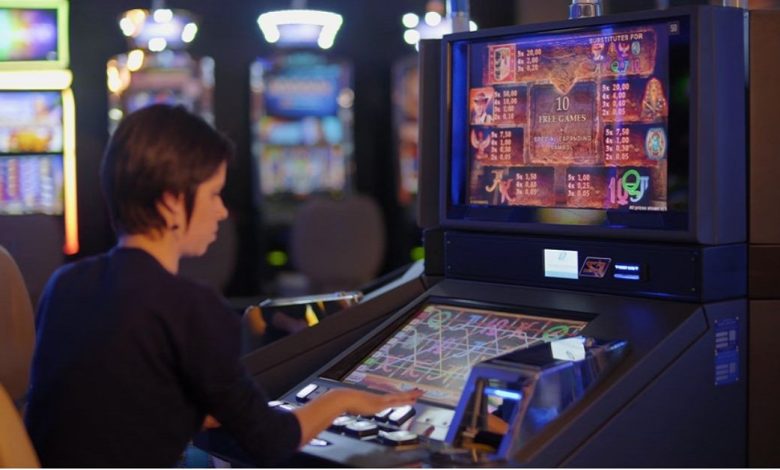
Slot machines are the most popular and prominent fixtures in modern casinos. Whether walking across a bustling casino floor in Las Vegas or scrolling through a digital gaming application, these vibrant machines occupy the vast majority of the gaming space. Their appeal is obvious: they are visually engaging, easy to play, require no complex strategy, and offer the potential for large payouts from a relatively small wager.
However, for a beginner stepping into this environment for the first time, the sheer variety of flashing lights, digital displays, and complex pay lines can feel overwhelming. Many players sit down with the mistaken belief that slot machines operate on cycles or that hitting a button at a precise microsecond changes their luck. To play safely and responsibly, you must demystify the internal mechanics and understand exactly how modern slot machines function.
The Inner Workings of Modern Slot Machines
To understand slots, you must first dismiss the old imagery of mechanical gears and physical reels spinning inside a wooden box. While classic machines used physical levers to stop spinning reels, modern versions are sophisticated computers dressed in high-definition screens and arcade-like cabinets.
The Random Number Generator
The absolute core of every modern slot machine is a microprocessor known as the Random Number Generator. This software algorithm serves as the brain of the machine. The generator continuously produces long sequences of random numbers every millisecond of the day, even when nobody is playing the game.
When a player pulls the physical lever or presses the digital spin button, the machine does not start a random spin process. Instead, it instantly freezes the exact sequence of numbers generated at that precise millisecond. These numbers correspond directly to specific stop positions on the virtual reels. The colorful spinning animation displayed on the screen is purely a visual show designed for consumer entertainment; the mathematical outcome of the game was decided the exact millisecond the button was pressed.
Volatility and Game Variance
Another critical mechanical concept is variance, often referred to as volatility. Volatility describes how a slot machine behaves regarding payout frequency and prize sizes.
-
Low Volatility Slots: These games hit winning combinations frequently but offer relatively small payouts. They are ideal for beginners who want to stretch their bankroll for longer periods and enjoy consistent positive reinforcement.
-
High Volatility Slots: These machines operate with long dry spells where you can spin dozens of times without hitting a single win. However, when they do pay out, the prize sizes tend to be significantly larger. These games require a larger bankroll and a higher tolerance for risk.
Key Terminology and Display Elements
Before putting money into a slot machine, a beginner must learn how to read the interface. Modern video slots display a variety of statistics and terms that dictate the cost and conditions of each spin.
Reels and Symbols
Reels are the vertical columns that spin on the display screen. While traditional slots used three mechanical reels, modern video variants typically feature five or more digital columns. Each reel contains various symbols, which are thematic icons ranging from traditional fruits and playing cards to high-definition animated characters.
Paylines
A payline is the specific line configuration across the reels where matching symbols must land to trigger a winning payout. In classic games, the payline was simply a straight horizontal line across the center of three reels. Modern video slots feature anywhere from nine to over one hundred distinct paylines. These paths twist diagonally, zigzag across the screen, or form complex V-shapes.
Many modern machines utilize a ways to win mechanic, which eliminates traditional paylines entirely. In these games, a win is triggered as long as matching symbols land on adjacent reels from left to right, regardless of their exact vertical position on the reel.
Special System Symbols
Modern slot games incorporate unique, interactive symbols that break standard grid matching rules and unlock specialized bonus features.
-
Wild Symbols: These act similarly to a wild card in a poker game. A wild symbol can substitute for any standard matching icon on a payline to help complete a winning combination.
-
Scatter Symbols: These are highly valuable icons because they do not need to align perfectly on a designated payline to trigger a reward. Landing a specific number of scatters anywhere on the grid will instantly unlock the game’s primary bonus round or award a set of free spins.
Return to Player Percentages
One of the most critical mathematical concepts every beginner must grasp is the Return to Player percentage, commonly referred to as RTP. This figure represents the theoretical percentage of all wagered money that a specific slot machine will pay back to players over a massive statistical sample size consisting of millions of individual spins.
For example, if a slot machine features an advertised RTP of ninety-six percent, it implies that over a long-term operational timeline, the machine is mathematically programmed to retain four dollars out of every one hundred dollars wagered as a house edge, returning the remaining ninety-six dollars to the playing community.
It is vital to recognize that this percentage does not apply to a single localized gaming session. A player can sit down, spin the reels ten times, and lose their entire budget, while the very next player can hit a massive jackpot on their first spin. The RTP is a long-term macro-statistic that guarantees the casino remains profitable over time while ensuring the game outcomes remain completely unpredictable in the short term.
Basic Strategies for Bankroll Management
Because slot machines operate on complete mathematical randomness, there is no system, pattern, or strategy that can influence the physical outcome of a spin. The only element a player can truly control is their own money. Implementing strict bankroll management is the single most effective way to ensure the experience remains fun and within your financial means.
First, establish a definitive loss limit before entering the casino or logging into an online platform. This budget should consist entirely of discretionary entertainment funds that you are completely prepared to lose. Divide this total budget by the cost per spin to understand exactly how many rounds of play your bankroll can sustain.
If you enter a session with a fifty-dollar budget, setting the machine to wager two dollars per spin means your session could end in just twenty-five spins during a high-volatility dry spell. Lowering the wager size to fifty cents per spin guarantees you at least one hundred opportunities to play, maximizing your entertainment value and giving you more chances to interact with the game’s specialized bonus features.
Frequently Asked Questions
Does playing a slot machine faster increase the chances of hitting a jackpot?
No, the speed at which you spin the reels has absolutely no influence on the game’s internal mathematical calculations. The Random Number Generator produces thousands of numeric combinations every second regardless of user behavior, meaning your probability of winning remains identical whether you wait several minutes between spins or press the button immediately.
What is the difference between a fixed jackpot and a progressive jackpot?
A fixed jackpot provides a static, predetermined maximum payout that is tied directly to your bet size, such as multiplying your wager by ten thousand. A progressive jackpot features a prize pool that grows continuously, taking a small percentage of every single bet placed across a massive network of linked machines and accumulating it into a giant prize pool that keeps rising until a lucky player triggers the winning combination.
Are online slot games safer or less fair than physical casino slot machines?
Legitimate online slot games operate under the exact same strict regulatory standards as physical casino hardware. Licensed digital platforms utilize verified Random Number Generators that are regularly audited by independent third-party laboratories to guarantee absolute randomness, making them completely identical in fairness to physical casino floor options.
Why do slot machines sometimes play celebratory music when I win less than my bet?
This phenomenon is known in behavioral psychology as a loss disguised as a win. If you wager two dollars on a spin and the paylines return fifty cents, the machine will still flash celebratory animations and play triumphant audio tracks. While the interface reacts as if you won, your total bankroll actually decreased by one dollar and fifty cents.
Can a casino employee alter the payout percentages of a machine remotely during a hot streak?
No, casino operators cannot alter the core programming or payout percentages of a slot machine on a whim to stop a winning streak. Changing a machine’s mathematical framework requires strict regulatory notifications, official compliance logging, and often physical access to the machine’s internal software chips, making real-time manipulation impossible.
What does it mean when a slot machine is described as cold or overdue for a win?
The concept of a machine being hot or cold is a cognitive bias known as the gambler’s fallacy. Because the Random Number Generator treats every single spin as an entirely independent mathematical event, the outcome of the previous spin has zero influence on the next. A machine that has not paid out for hours is not overdue, and its chances of hitting a jackpot remain exactly the same on every single push.

